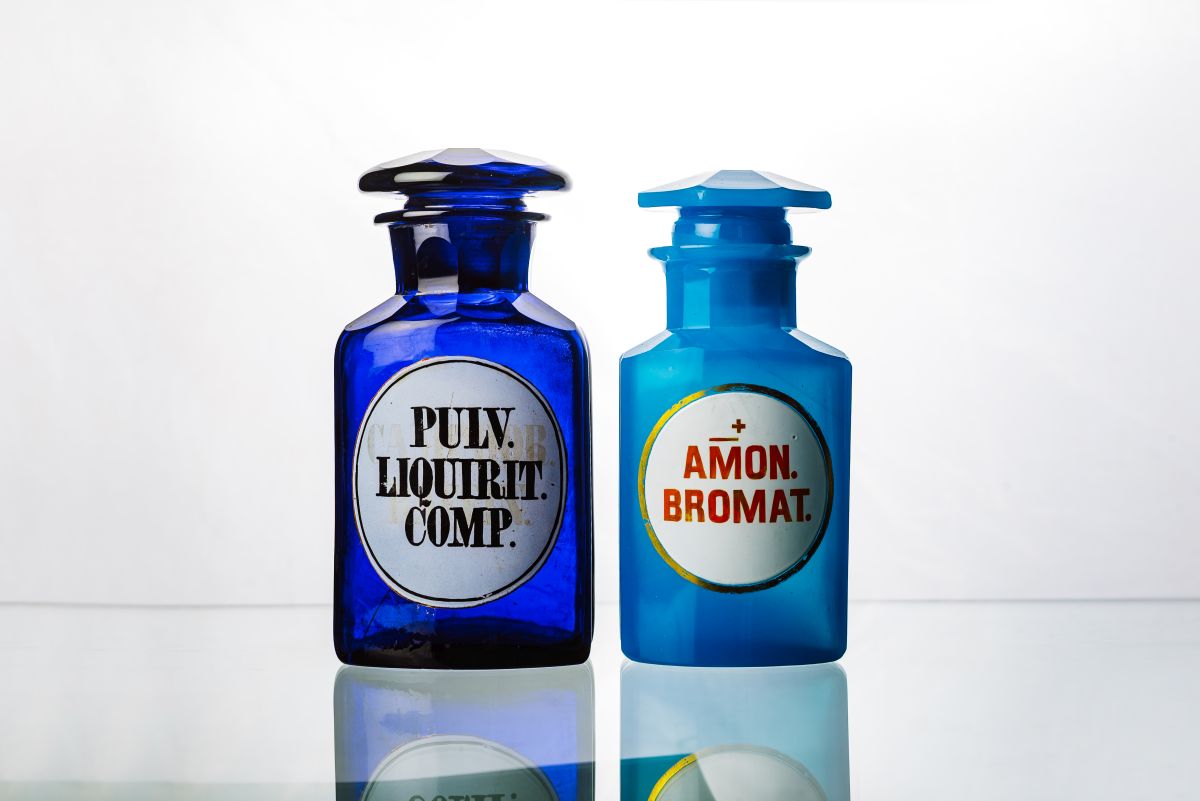
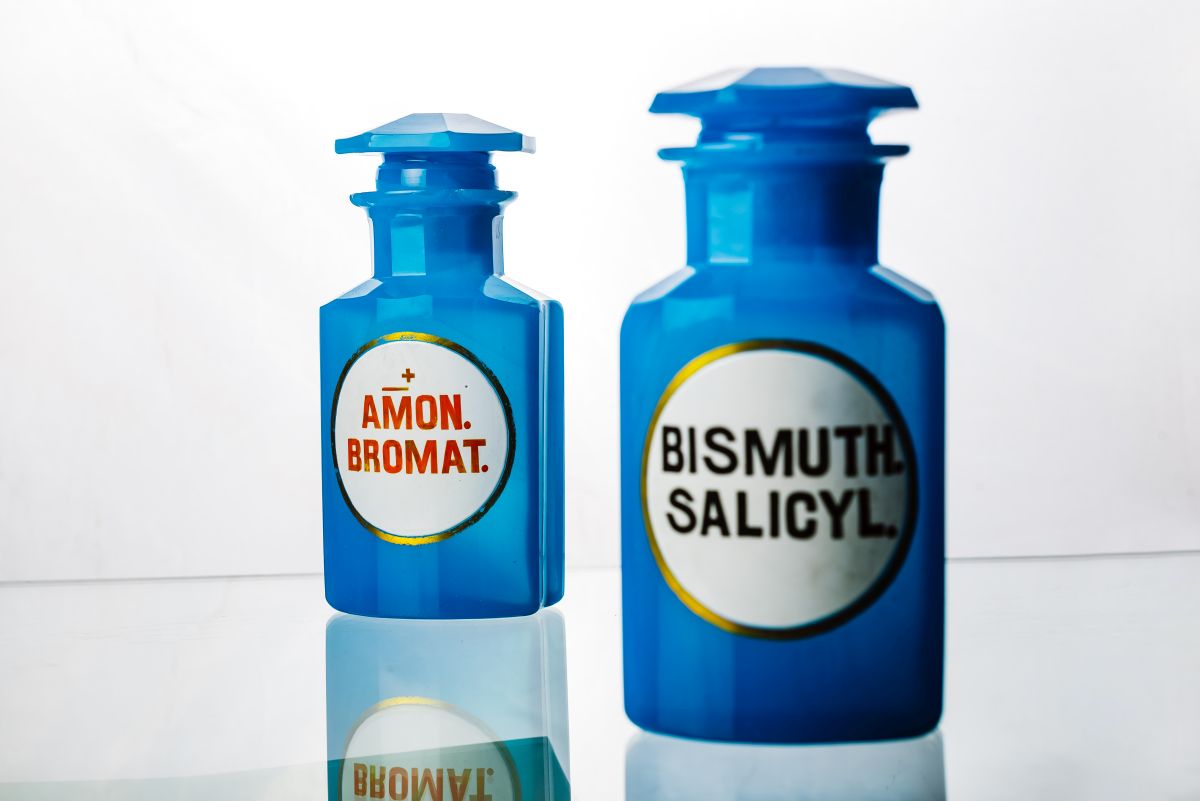
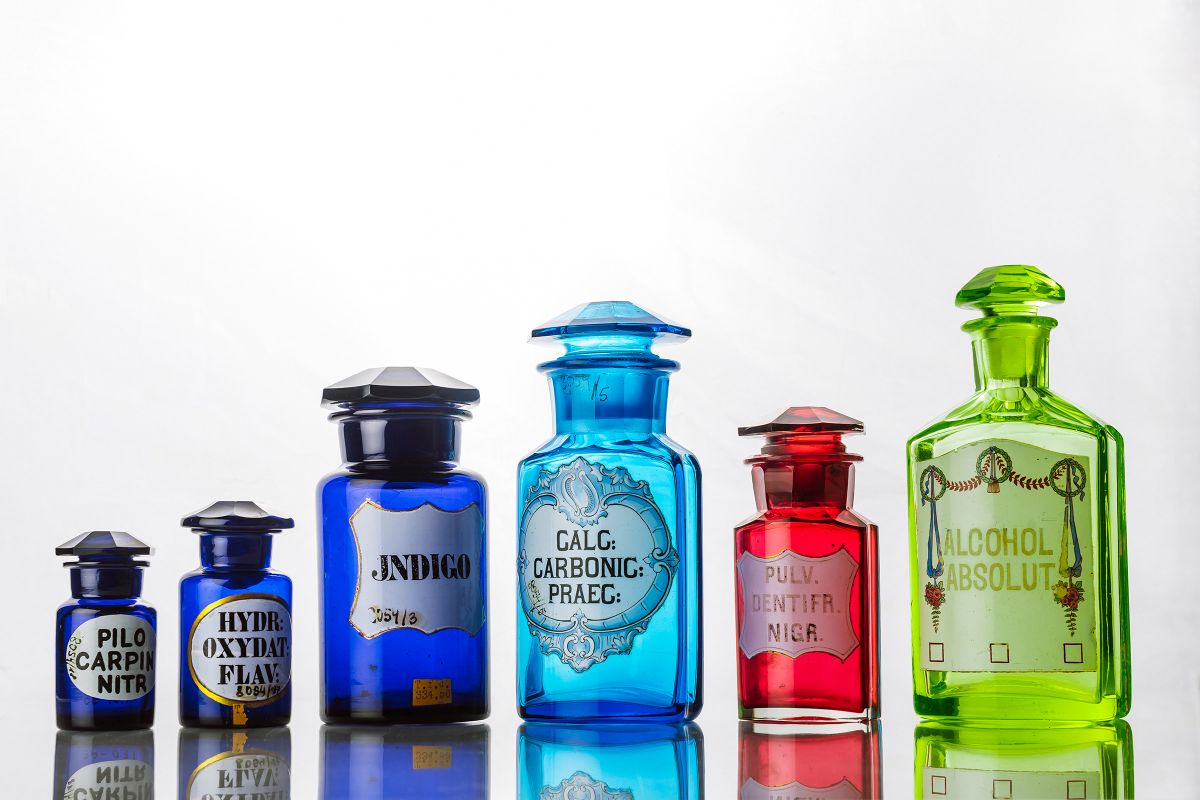
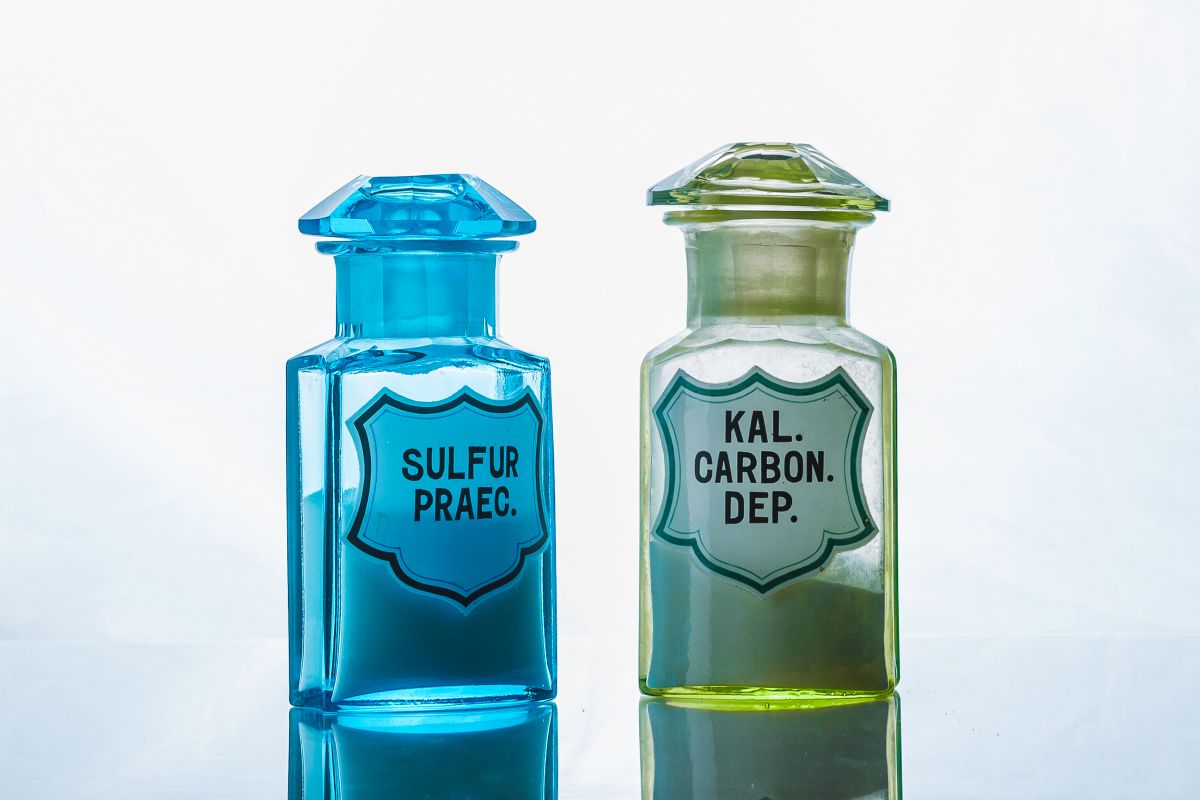
From the green of wine and beer bottles, the red, yellow and green of traffic lights, coloured glass makes its presence felt in our everyday life. The origins of these colours is not something we often consider, yet a series of distinct elements are responsible for those blue, yellow, green and violet reflections which delight us when we gaze lengthily at stained glass.
The methods through which these colours are obtained are many, and most of the time entail the introduction of metal oxides, molecular or colloidal colourings into the molten mixture during the manufacturing process. Thus, with the help of cobalt oxide we get the famous cobalt blue; gold particles are responsible for the beautiful ruby red; Egyptian blue comes about due to copper, and fluorescent yellow glass contains uranium oxide.
Coloured glass is often used for decorative purposes, yet its usefulness goes beyond the limits of aesthetics. Accordingly, we find it in the light signals used in the transport industry, in beer bottles, or as filters when part of optical devices or analysis apparatus. In the pharmaceutical industry, its purpose is to protect certain substances or medications from UV rays.
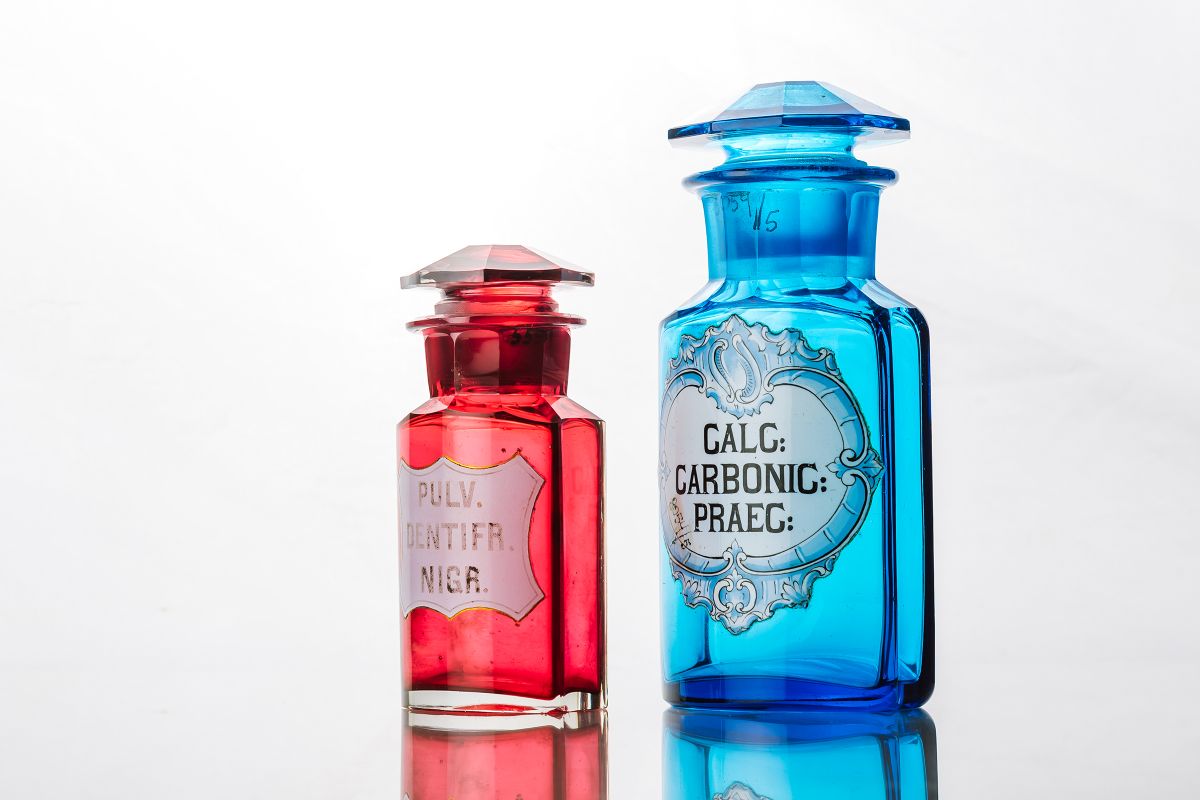
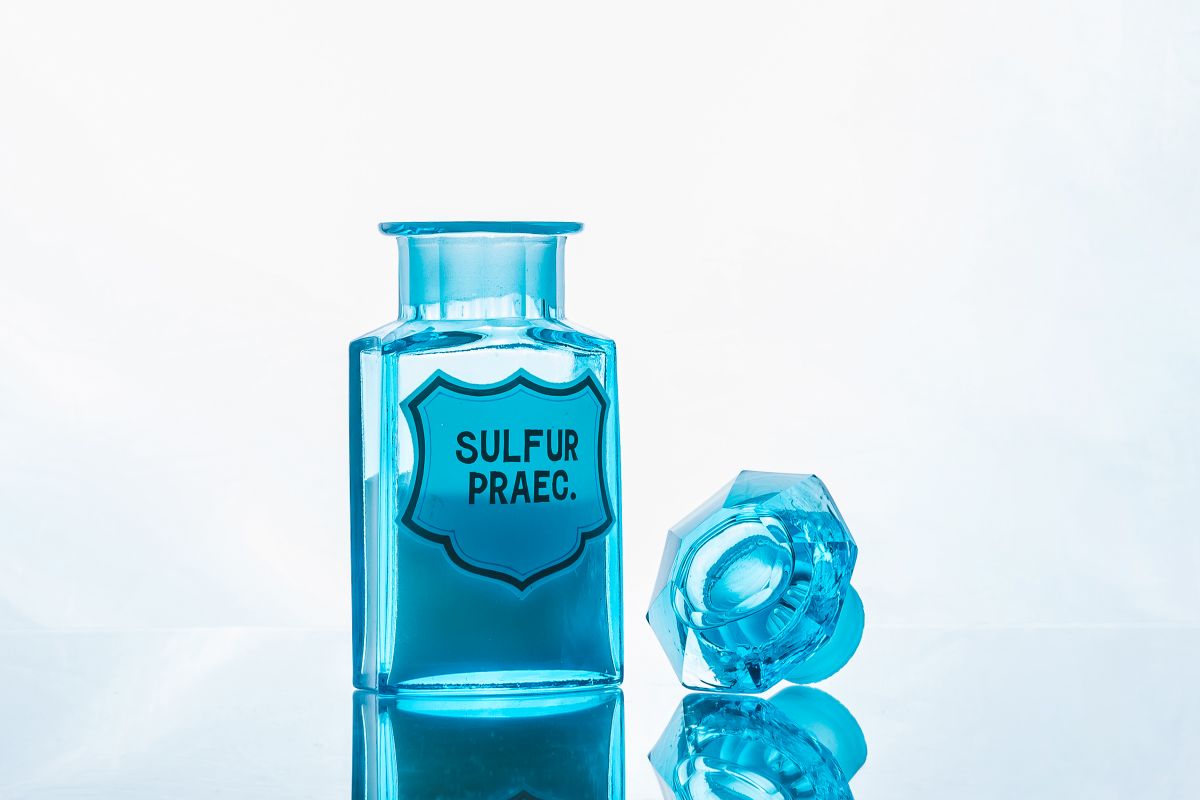
In the old pharmacies, coloured glasses were used in the same way, for their usefulness in filtering light, but for decorative purposes as well. Nowadays, these wonderful types of glass are used almost exclusively for decorative purposes, or only found in museums.
In the meantime, the cartouches for labelling are “dumbed down”. The ones from the end of the 19th and beginning of the 20th centuries still used Rococo, Rococo Revival or Art Nouveau patterns.