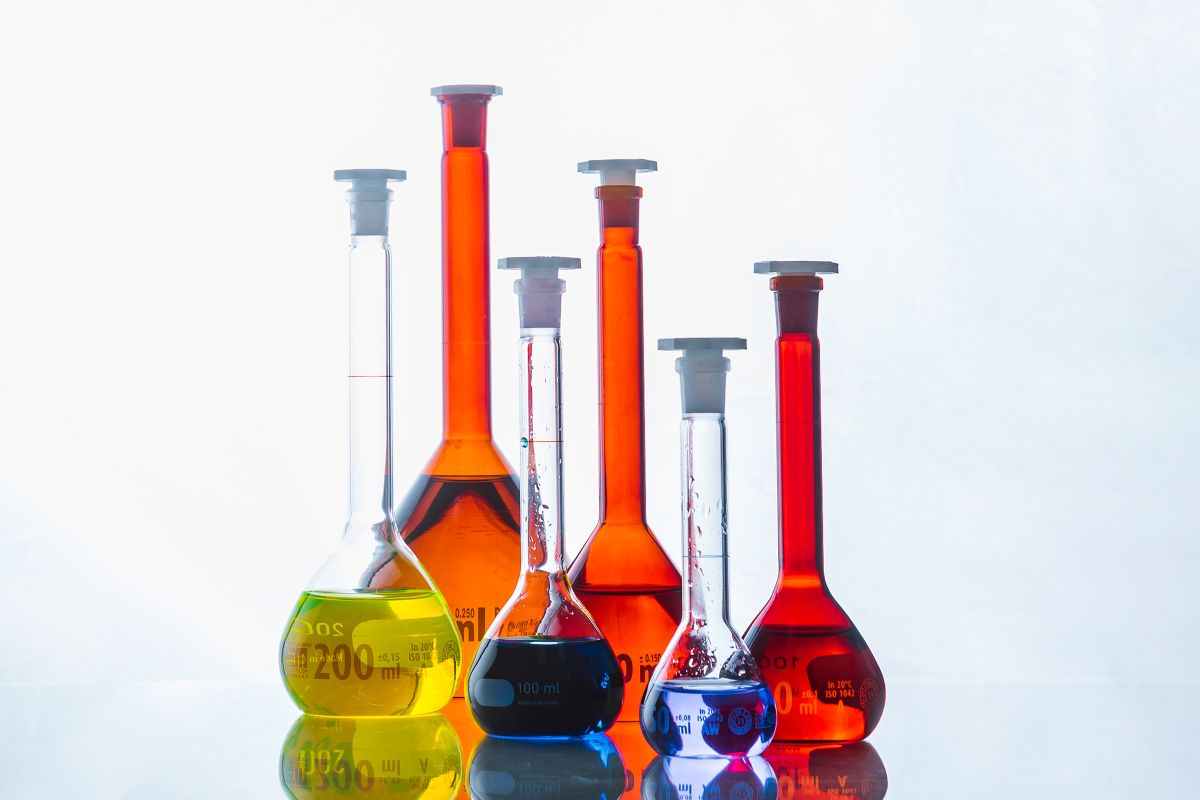
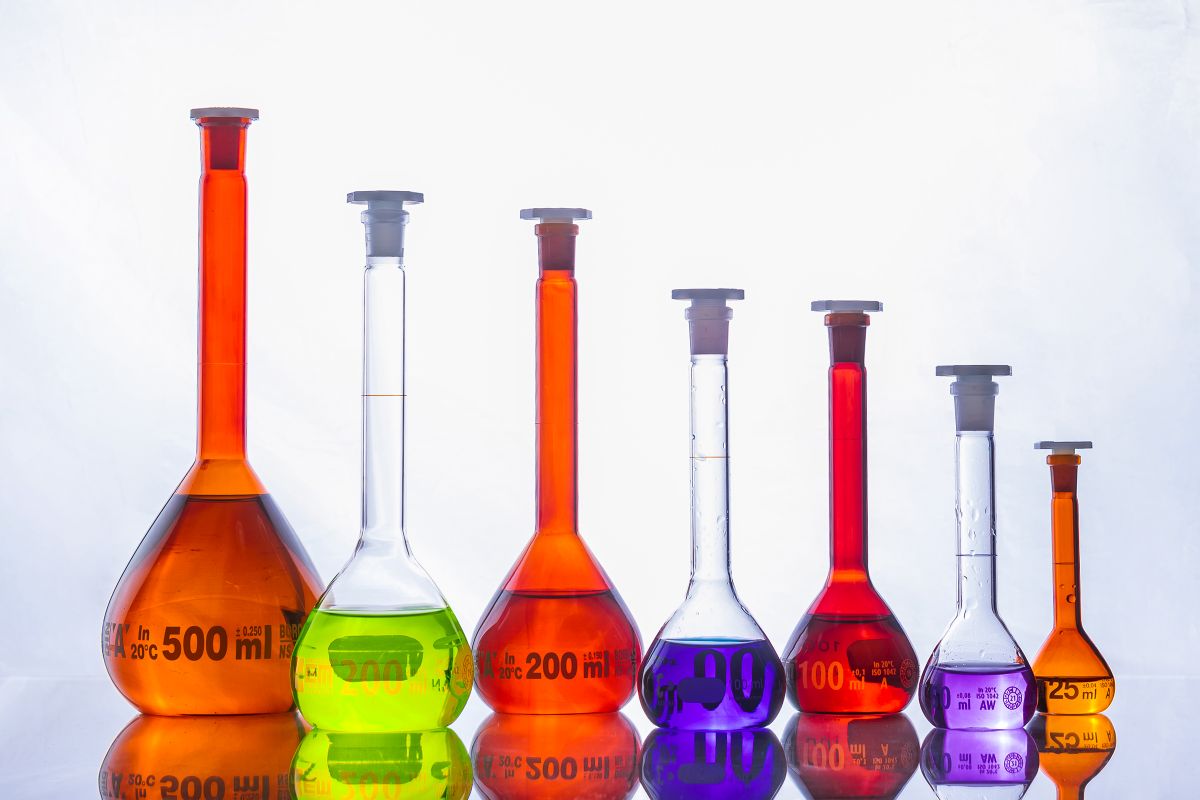
Light is essential to life, being involved in various chemical and biochemical reactions. Yet its effect is not always welcome. There are a series of substances which break down when light is present. Thus, for a pharmacist or a chemist, it is important that these substances be shielded from rays of light. Equally important to the patient is that medicine should be stored in their original packaging, for the same purposes.
This is the reason for the large-scale introduction and use of brown-coloured glass receptacles both in the pharmacy and control laboratories as well as in the manufacturing process of the pharmaceutical products.
Glass that protects against intense radiation has applications in other fields as well. Yellowish-green protective glass for welders is obtained through colouring using 5-8% iron oxides, taken from furnaces heated to above 1000 °C. Cobalt glasses are coloured using cobalt oxide and iron oxide, and absorb heat (infrared) and ultraviolet radiation, also holding back visible radiation to a great extent.
There are also so-called reversible photosensitive glasses used for example in lenses for glasses with transparencies which vary according to the intensity of illumination, in photosensitive glass sheets for holography etc. The speed of coloration and decoloration in these glasses can be adjusted by modifying the composition and the conditions by which these glasses are obtained. Among others, the composition of these glasses features cerium oxide and silver (in small concentrations).
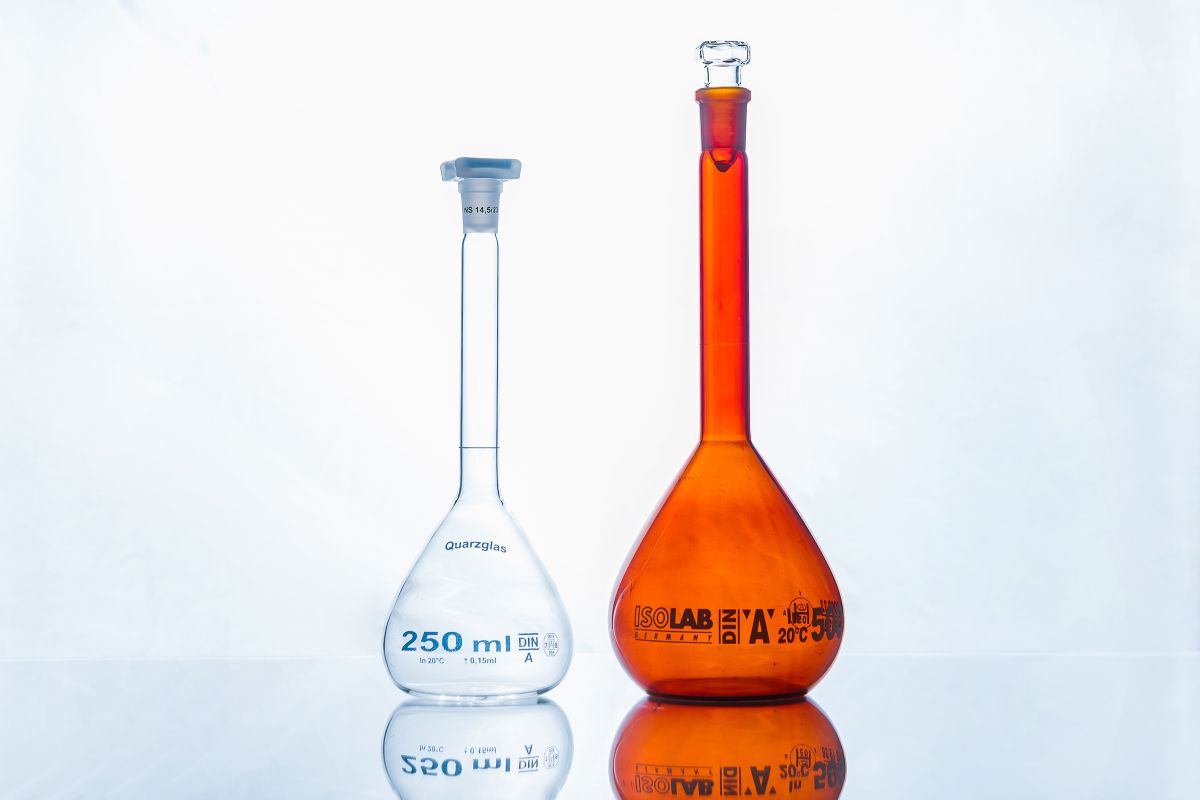
The coloured glass receptacles which protect against rays of light, used in the industrial, pharmaceutical and food industries are usually brown, and less frequently green. Brown glasses are obtained by adding iron oxides, and green ones by adding chrome oxide. Brown glass offers better protection compared to green, absorbing ultraviolet rays with wavelengths smaller than 450 nm.
However, if we prefer glass to allow ultraviolet radiation through, we make us of the so-called quartz glass. This allows radiation up to 185 nm to pass.